
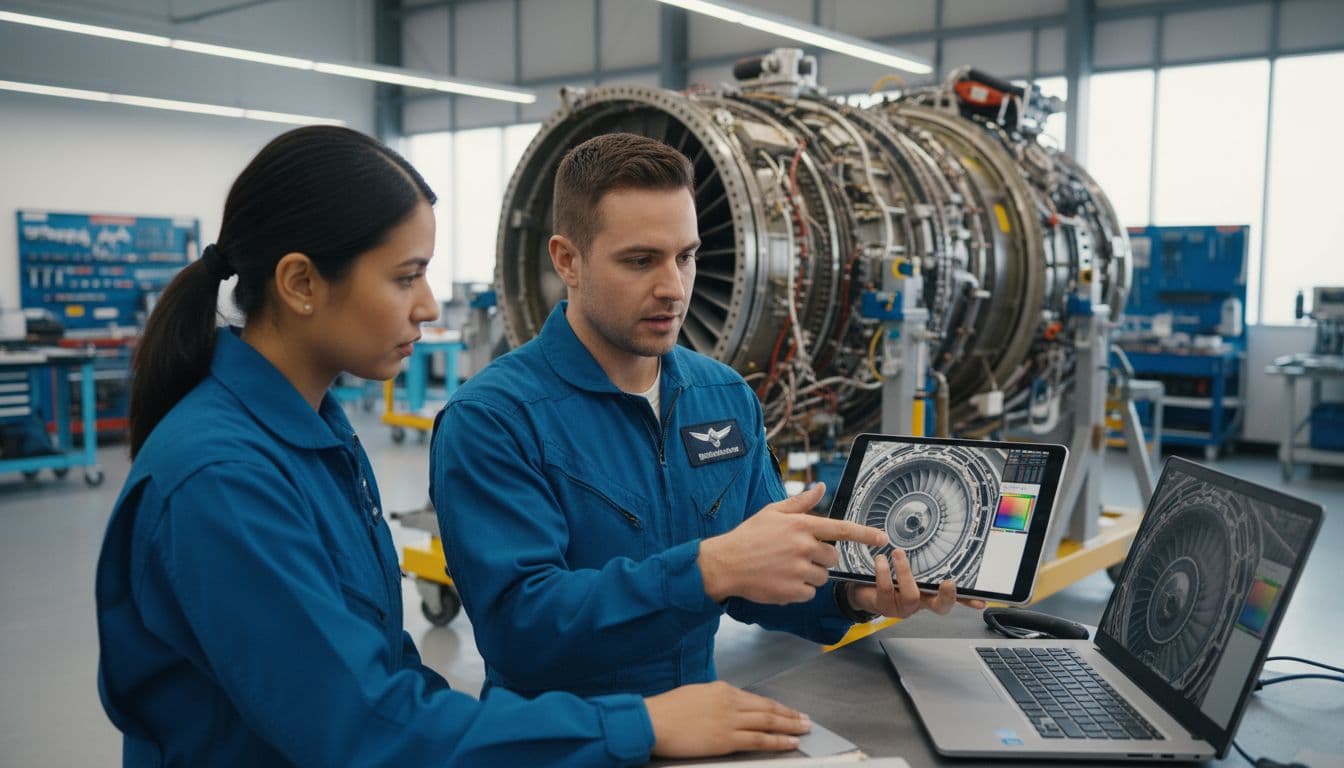
Engine value isn’t created only at purchase or overhaul. It’s protected, or lost, over the years of use.
Borescopes help teams see what is happening inside an engine without a full teardown. That matters early in service, during routine checks, while planning repairs, and when deciding whether an engine still has useful life left. When each inspection adds to a running history, maintenance becomes less reactive and much more informed.
Why engine lifecycle integration matters more than a single inspection
An engine moves through clear stages: installation, routine operation, scheduled maintenance, repair events, then retirement or resale. Each stage creates decisions about cost, safety, and availability. If inspection findings stay trapped in one report, much of that value disappears.
Lifecycle integration means the inspection record follows the engine. A shop visit then starts with context, not guesswork. Teams can compare the current condition with prior images, judge how fast damage is progressing, and plan work with fewer surprises. As a result, operators can reduce downtime, avoid unnecessary removals, and make safer calls with better timing.
A borescope check gives teams a clear view without a costly teardown
Borescopes let technicians inspect compressors, combustors, turbine blades, cylinders, and other tight internal spaces through existing access points. That cuts labor hours and keeps the engine together unless a deeper repair is truly needed.
The savings go beyond time. Every teardown adds handling risk, especially around parts that are expensive and easy to damage. A careful borescope check can reveal cracks, corrosion, coating loss, wear, deposits, and foreign object damage before anyone removes major hardware.
A single image shows a defect. A series of images shows a trend.
That difference matters. If a small crack, rub mark, or deposit pattern appears again at the next interval, teams can judge whether the condition is stable or getting worse. This supports condition-based maintenance and helps decide whether to keep running, repair soon, or remove the engine. As of April 2026, more operators are adopting AI-assisted borescope inspection tools to improve repeatability and defect recognition.
How borescope use supports each stage of the engine lifecycle
The value of borescopes grows when you look at the whole service life, not one event.
Early service checks catch small problems before they grow
Once an engine enters service, routine borescope inspections help spot early distress before performance drops or risk rises. A nick on a blade, heat damage in the hot section, or unusual contamination may seem minor at first. Left alone, each can lead to higher temperatures, lower efficiency, or a more expensive shop visit later.
Early findings give planners options. A small defect can often be monitored, repaired at a convenient interval, or tied to a targeted maintenance action. That is far cheaper than an unscheduled removal. It also fits the broader shift toward on-condition maintenance described in aircraft borescope inspection practices.
Mid-life maintenance gets smarter when borescope data guides the work. Mid-life maintenance often drives the largest planning errors. Teams may order the wrong parts, schedule too much work, or miss a growing issue that should have changed the scope. Borescope evidence helps fix that.
Clear internal images help planners build work packages around the actual condition. If blades look stable, a shop may avoid replacing healthy parts too soon. If damage is progressing, the team can line up parts, labor, and slots before the engine arrives. That kind of planning helps maintenance match real engine condition instead of relying only on fixed intervals.
Repair, overhaul, and retirement decisions improve with visual proof
When an engine approaches overhaul, visual proof changes the conversation. A borescope record can confirm that a repair is needed, support a go or no-go call, and show whether the engine still has enough residual life to justify more spending.
This also helps communication. Operators, maintenance providers, and asset managers can review the same images and discuss risk with fewer assumptions. During resale or lease return, documented internal condition may support a better value position. During retirement planning, it helps avoid putting a large amount of money into an engine with limited return. As Aviation Maintenance Magazine explains about borescopes in engine inspections, the tool is most useful when it supports judgment, not when it replaces it.
What a strong borescope program looks like in practice
A strong program is built on consistency.
Set inspection intervals, image standards, and reporting rules
Teams need repeatable inspection points, standard image views, and simple reporting rules. If one technician captures three clear views of the same blade row every visit, comparison becomes easy. If each inspection uses different angles and notes, the history loses value.
Training matters as much as hardware. Technicians need clear defect criteria, good image habits, and enough time to document what they see.
The best results come when borescope data is shared across maintenance planning, reliability, safety, and finance. A finding should influence schedule timing, repair scope, spare parts strategy, and long-range engine plans when needed.
In 2026, many operators are moving toward more data-linked workflows, where images connect to serial numbers, work orders, and defect histories. That direction is clear in robotic borescope inspection and CMMS tracking. The technology matters, but the larger win comes from using inspection history as part of every major engine decision.
Borescopes create the most value when they stay tied to the full engine lifecycle. They help teams catch problems early, reduce downtime, time repairs better, and make stronger end-of-life calls.
An engine rarely loses value all at once. More often, value slips away through missed signals and weak records. A solid inspection history helps stop that loss and protect engine value over time.
TLDR:
Engine value is built over time, not at a single maintenance event. Borescope inspections allow teams to monitor internal engine condition without teardown, improving maintenance planning, reducing downtime, and supporting more informed lifecycle decisions. When inspection data is captured consistently, it becomes a powerful tool for tracking wear, validating repairs, and protecting long-term asset value. SPI Borescopes supports these efforts by providing reliable inspection tools that help teams capture clear, repeatable data across every stage of the engine lifecycle.
Related Articles

A recent EASA survey found that aviation professionals are cautiously optimistic about AI in aviation safety, rating acceptance at 4.4 out of 7. Key concerns include performance limits, privacy, accountability, and the risk of de-skilling.

This is a defining period for the oil and gas industry, with the pressures of ultimately shifting to sustainable energy sources already being felt, and the competitive market striving for greater efficiency constantly.
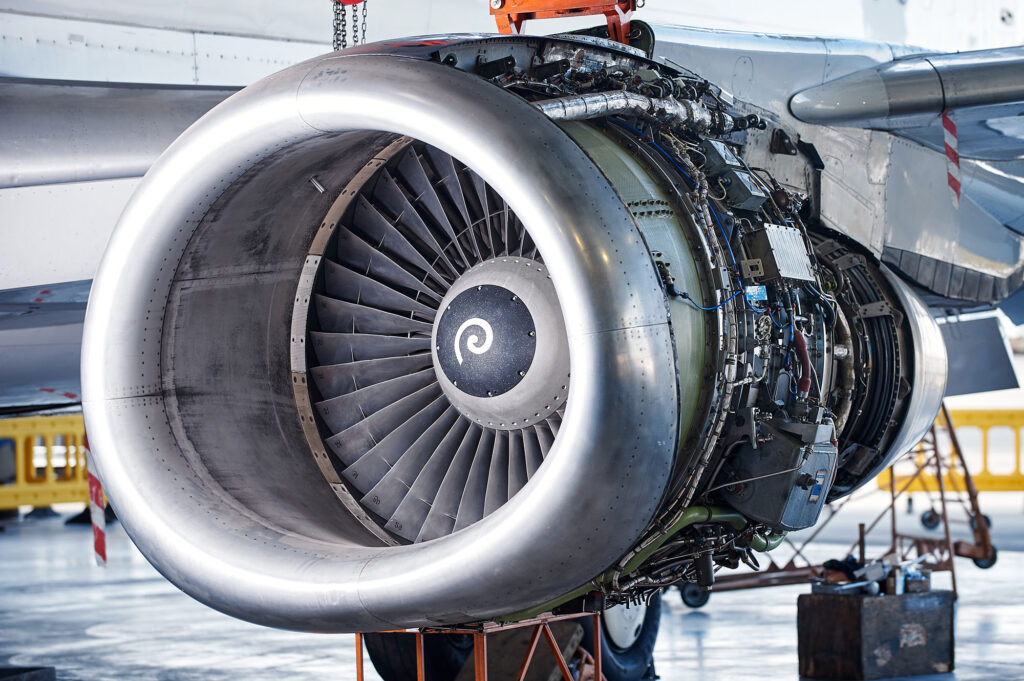
The aerospace industry is poised for unprecedented growth, with the global market for aerospace parts manufacturing projected to soar to USD 1.29 trillion by 2031.
