
Artificial intelligence (AI) has already begun transforming industrial operations, from predictive maintenance algorithms to automated data analysis. But a new wave of AI, often referred to as agentic AI, is attracting significant attention across engineering and manufacturing environments.
Why Engineering Teams Are Paying Attention to Agentic AI
Unlike traditional AI systems that primarily generate insights or predictions, agentic AI refers to systems capable of reasoning, planning actions, and executing tasks autonomously. These systems can analyze information, determine next steps, and initiate actions within defined workflows.
For engineering teams responsible for maintenance, inspection, and operational reliability, this shift could fundamentally change how decisions are made and how work gets done. Instead of simply recommending actions, AI systems may soon be able to coordinate inspection schedules, prioritize maintenance tasks, or orchestrate engineering workflows.
While the technology is still evolving, industrial organizations are increasingly evaluating how agentic AI might improve engineering automation, manufacturing efficiency, and reliability management.
Agentic AI. What is agentic AI? https://www.ibm.com/think/topics/agentic-ai
What “Agentic AI” Means for Engineering Teams
Agentic AI refers to AI systems capable of reasoning, planning actions, and executing tasks autonomously rather than simply generating outputs or recommendations. Traditional AI systems are typically reactive. They analyze data and provide insights. For example, predicting equipment failure or identifying anomalies in production metrics.
Agentic AI moves beyond analysis. These systems can:
- Evaluate multiple potential actions
- Plan sequences of steps
- Execute tasks within software environments
- Adapt based on results or changing conditions
For engineering teams, this represents a shift from decision-support tools to workflow execution systems. Instead of simply flagging a potential maintenance issue, an agentic AI system could:
- Schedule an inspection
- Notify technicians
- Retrieve historical inspection data
- Trigger a maintenance workflow
This evolution has the potential to streamline engineering operations where large volumes of operational data, maintenance records, and inspection findings must be analyzed and acted upon quickly.
Burge, M. (2026b, March 2). From Adoption to Engineering Impact with Agentic AI. Industry Today – Leader in Manufacturing & Industry News. https://industrytoday.com/from-adoption-to-engineering-impact-with-agentic-ai/
From AI Adoption to Real Engineering Impact
Over the past several years, many organizations experimented with artificial intelligence through pilot programs and limited deployments. However, engineering leaders are increasingly shifting their focus from experimentation to measurable operational outcomes.
Industry surveys indicate that 93% of engineering leaders expect AI adoption to improve productivity, with roughly 30% anticipating major performance improvements once systems are fully integrated into engineering workflows. The key transition now occurring across industrial organizations is moving from:
Phase 1: AI Experimentation
- Proof-of-concept analytics tools
- Small pilot programs
- Limited operational integration
Phase 2: Operational Integration
- AI integrated into engineering software platforms
- Automated decision support
- Cross-system workflow automation
In other words, the conversation is shifting from “Can AI help us?” to “Where does AI deliver measurable operational value?” For industries such as aerospace, manufacturing, energy, and defense, the biggest gains are expected in areas where complex engineering decisions intersect with large volumes of operational data.
Empowering advanced industries with agentic AI. (2025, September). McKinsey & Company. https://www.mckinsey.com/industries/automotive-and-assembly/our-insights/empowering-advanced-industries-with-agentic-ai
Where Agentic AI Could Impact Industrial Operations
Agentic AI systems have the potential to influence several core engineering and maintenance functions. While many deployments are still early-stage, analysts and engineering leaders consistently highlight several high-impact applications.
Predictive maintenance systems already analyze equipment data to forecast failures. Agentic AI could extend this capability by coordinating the response. Possible functions include:
- Automatically scheduling maintenance work orders
- Prioritizing repairs based on operational risk
- Coordinating parts availability and technician schedules
This reduces delays between problem detection and corrective action.
The Challenges: Hype vs Real Implementation
Despite growing enthusiasm around agentic AI, the technology still faces significant implementation challenges. Many organizations are still learning how to integrate AI effectively into existing engineering workflows. Key challenges include:
Integration with Legacy Systems
Industrial operations often rely on legacy software platforms and equipment. Integrating AI tools into these environments can be complex and time-consuming.
Unclear Business Value
Some analysts estimate that over 40% of agentic AI projects may fail due to unclear business value or poorly defined objectives.Organizations that deploy AI without clear use cases often struggle to demonstrate measurable returns.
Workflow Disruption
Engineering teams rely on established processes designed to ensure safety and reliability.
Introducing AI-driven automation into these workflows must be done carefully to avoid unintended operational disruptions.
Data Quality Limitations
AI systems depend heavily on high-quality operational data. Incomplete maintenance records, inconsistent inspection documentation, or poor data management can significantly limit AI effectiveness.
For many industrial organizations, improving data quality and inspection reporting remains a prerequisite for successful AI adoption.
TLDR:
While these technologies may improve predictive maintenance, inspection analysis, and operational coordination, their effectiveness ultimately depends on high-quality engineering and inspection data. For reliability teams, that means accurate visual inspections and well-documented asset condition data will remain essential inputs for AI-driven decision-making.
Tools like industrial video borescopes, including those developed by SPI Borescopes, help engineers capture the internal inspection data needed to support both human expertise and emerging AI-assisted maintenance strategies
Related Articles

A recent EASA survey found that aviation professionals are cautiously optimistic about AI in aviation safety, rating acceptance at 4.4 out of 7. Key concerns include performance limits, privacy, accountability, and the risk of de-skilling.

This is a defining period for the oil and gas industry, with the pressures of ultimately shifting to sustainable energy sources already being felt, and the competitive market striving for greater efficiency constantly.
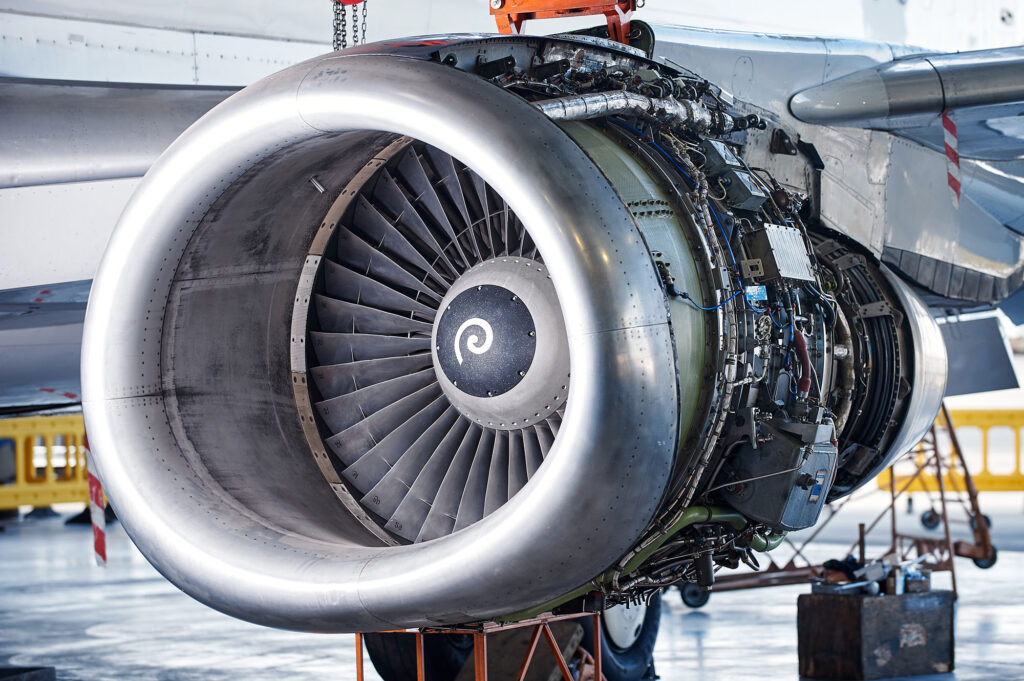
The aerospace industry is poised for unprecedented growth, with the global market for aerospace parts manufacturing projected to soar to USD 1.29 trillion by 2031.